Education Philosophy
Our Approach to Teaching and Learning
Curriculum Philosophy
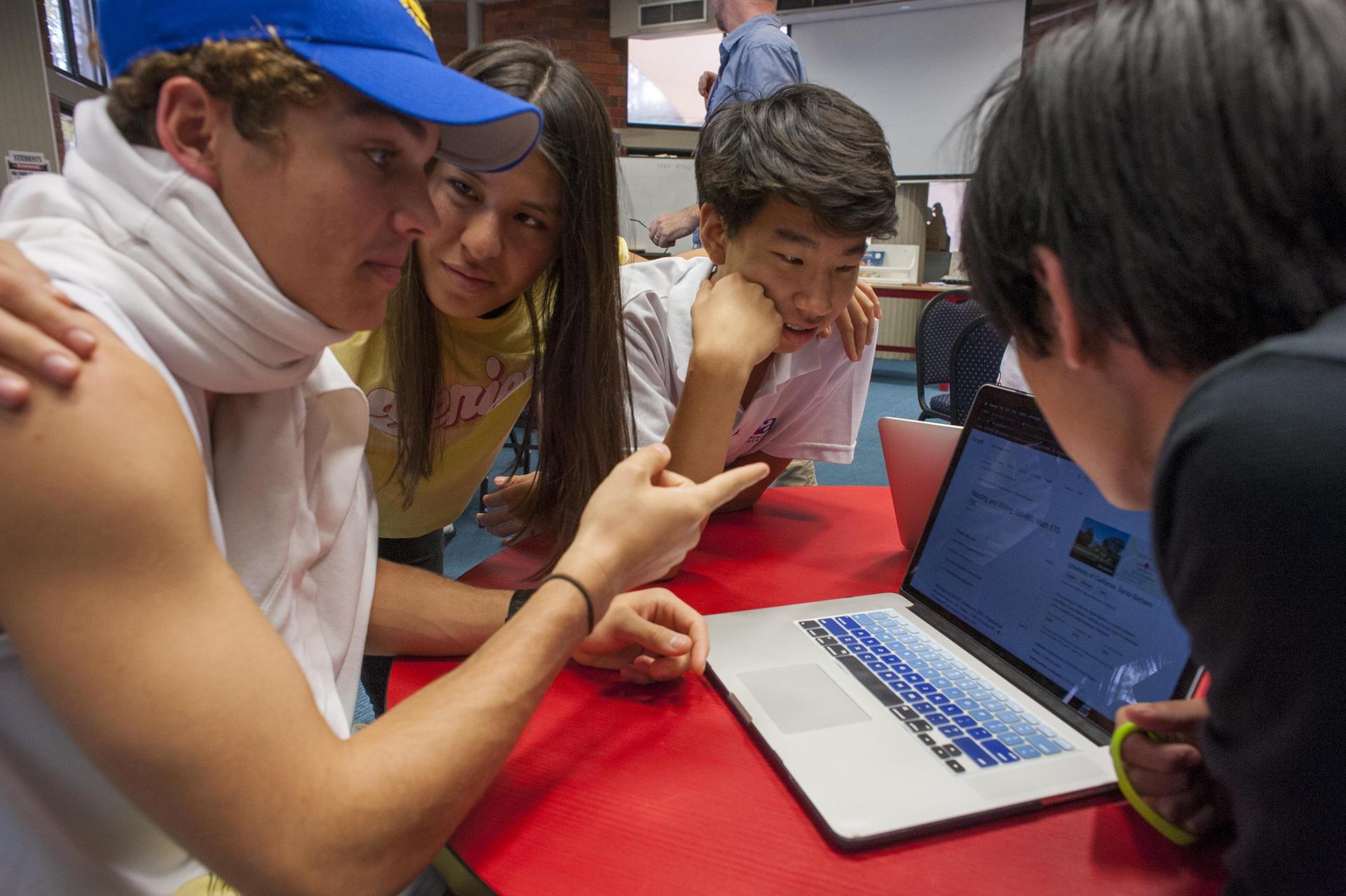
InterAmerican Academy is a culturally diverse learning community that provides students with an intellectually stimulating program, founded in research-based standards in a nurturing environment. We place students at the center of education, and encourage them to be creative individuals, critical thinkers, life-long learners, and socially responsible world citizens. In our early childhood program we follow the Reggio Emilia approach to education.
We employ current research and best practices, problem-based learning, project-based learning including inquiry, discovery, creativity, problem solving and self-direction to create a learning climate that is challenging, enjoyable, active and dynamic. The individuality and potential of each student will be maximized in a multifaceted, collaborative, high quality-learning environment.
We seek to nurture the intellectual, personal, social, physical, and affective development of the whole student. We value the strengthening of character through the practice of responsibility, respect, honesty, cooperation, compassion, and concern for the welfare of local as well as global communities.
Assessment Philosophy
InterAmerican Academy believes that regular and ongoing assessment of both students and programs is essential to the continuous improvement process. The purpose of assessment is to support and promote student learning. At IAA, we believe that students are entitled to and benefit from a variety and balance of assessment strategies. These strategies are designed to gather information in order to inform and improve the learning process, document progress towards specific goals, and evaluate the achievement of each learner with the purpose of maximizing individual strengths and potential. We believe that effective assessment in a diverse, international community should:
differentiate for students of different learning styles and experiences
promote opportunities for students to take responsibility for their own learning, and
include reflection that will stimulate continual improvement.
We share assessment information regularly in ways that are understandable to students and family members.
Standards-based Grading (SBG)
Standards Based Grading at IAA puts students at the center of their learning. Teachers and students use clear, common rubrics and continuous feedback ensuring that students understand where they are in their learning continuum and have multiple chances to succeed. In order to ensure this, please review our Retake Policy .
Review the IAA Retake Policy:
View Retake PolicyShared Practices
Students and their learning always come first
Teachers expect that students will succeed and encourage them to do so
Our goal is learning mastery
Students may use many mediums to show their mastery including assessment, projects, presentations, interviews, instructing other classmates or other teacher/student agreed upon evidence.
Once a student consistently demonstrates mastery of a standard, teachers will work with that student toward higher levels of proficiency.
Classwork and homework allows students to practice skills and reinforce learning so that they can demonstrate proficiency on standards (through assessments, projects, and mastery observation evidence).
SHARK standards (social development standards) will be used to measure student academic behaviors such as homework completion and work ethic.
Students will be aware of their learning progress based on feedback from teachers, rubrics, self assessment and schoology mastery tab.
Learning is a process, with students always invited to improve and better their understanding.
Student may improve standing with a reassessment
Reassessment must be done in a timely manner
Student must complete all practice work leading to assessment
Student must arrange a time to meet with their teacher to do reassessment
Student MAY be required to attend office hours to ensure thorough practice